The Colorado Secretary of State’s Office said Friday afternoon that the backers of Initiative 234 collected enough voter signatures to get the question on the November ballot
You see, when school districts purposepropose a bond, they are talking about selling bonds in exchange for money. The bond measures ask that you approve them selling x dollars worth of bonds which will be used for very specific purchases, such as computer equipment, roof repairs, and HVAC maintenance. In general bond measures don’t raise your taxes because the district already purchased the bonds; this is a request to use what’s already been paid for.
On the other hand, districts all across Texas are also trying to pass VATREs, which is a measure asking voters to approve a tax increase to fund the school district. This raises the money that’s used to pay salaries, fuel buses, buy teaching supplies, and literally keeps the lights on. Most of the time, if not always, VATREs are a property tax increase. There are considerable exemptions available, including a standard exemption provided by the state that’s paid for already by the school districts.
The wording for these proposals are very confusing, including the wording for VATREs, which presents the rate increase as x cents on every dollar per $100. What this really means is that when a district requests a 5¢ increase over, let’s say, a 3¢ existing property tax, they’re proposing a tax rate increase from 1.03% to 1.08%. These rates typically only affect homeowners whose houses are valued somewhere over $165k, and cost most homeowners a couple dozen dollars per year. But, in return, the school district stays open, teachers stay employed, and schools are less likely to shut down (although Texas is always working on new ways to shut down public schools).
So, VATREs increase taxes, minimally, and are at a flat rate which means that more expensive homes contribute more, thus leveraging high-income earners to help low-income learners. Bond proposals don’t increase taxes, and make sure that the learning happens in safe environments. Bond funds CANNOT pay salaries, and VATREs CANNOT repair roofs. But of course, the ballot measures use very confusing language, as all ballot measures tend to. So the state uses very simple language to inform voters. On every school district website, a message must be posted that literally includes these words, verbatim, bolded and in all caps, notifying that the school district
ADOPTED A TAX RATE THAT WILL RAISE MORE TAXES FOR MAINTENANCE AND OPERATIONS THAN LAST YEAR’S TAX RATE.
And every ballot measure, regardless of tax rate changes, is prefaced with these words
THIS IS A TAX INCREASE
The bonds that are not tax increases? Every single one is prefaced with THIS IS A TAX INCREASE.
Because in Texas, we’ll make sure that our education system fails our voters, and then try to ensure that our voters fail themselves. Because it’s not enough for school districts to fight hunger and ignorance, we also have to fight the state.


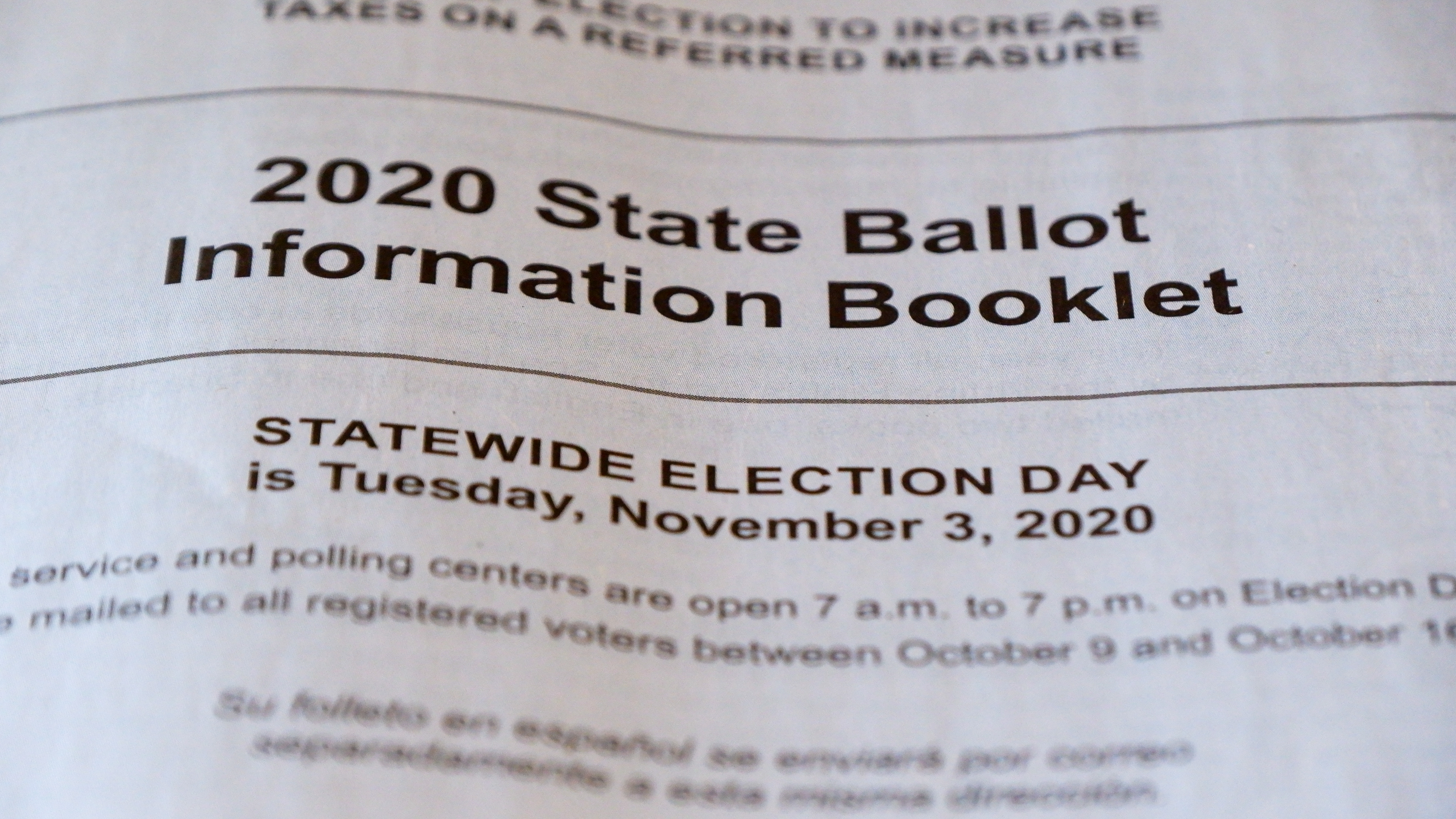
Texas already adopted something like this!
You see, when school districts
purposepropose a bond, they are talking about selling bonds in exchange for money. The bond measures ask that you approve them selling x dollars worth of bonds which will be used for very specific purchases, such as computer equipment, roof repairs, and HVAC maintenance. In general bond measures don’t raise your taxes because the district already purchased the bonds; this is a request to use what’s already been paid for.On the other hand, districts all across Texas are also trying to pass VATREs, which is a measure asking voters to approve a tax increase to fund the school district. This raises the money that’s used to pay salaries, fuel buses, buy teaching supplies, and literally keeps the lights on. Most of the time, if not always, VATREs are a property tax increase. There are considerable exemptions available, including a standard exemption provided by the state that’s paid for already by the school districts.
The wording for these proposals are very confusing, including the wording for VATREs, which presents the rate increase as x cents on every dollar per $100. What this really means is that when a district requests a 5¢ increase over, let’s say, a 3¢ existing property tax, they’re proposing a tax rate increase from 1.03% to 1.08%. These rates typically only affect homeowners whose houses are valued somewhere over $165k, and cost most homeowners a couple dozen dollars per year. But, in return, the school district stays open, teachers stay employed, and schools are less likely to shut down (although Texas is always working on new ways to shut down public schools).
So, VATREs increase taxes, minimally, and are at a flat rate which means that more expensive homes contribute more, thus leveraging high-income earners to help low-income learners. Bond proposals don’t increase taxes, and make sure that the learning happens in safe environments. Bond funds CANNOT pay salaries, and VATREs CANNOT repair roofs. But of course, the ballot measures use very confusing language, as all ballot measures tend to. So the state uses very simple language to inform voters. On every school district website, a message must be posted that literally includes these words, verbatim, bolded and in all caps, notifying that the school district
And every ballot measure, regardless of tax rate changes, is prefaced with these words
The bonds that are not tax increases? Every single one is prefaced with THIS IS A TAX INCREASE.
Because in Texas, we’ll make sure that our education system fails our voters, and then try to ensure that our voters fail themselves. Because it’s not enough for school districts to fight hunger and ignorance, we also have to fight the state.