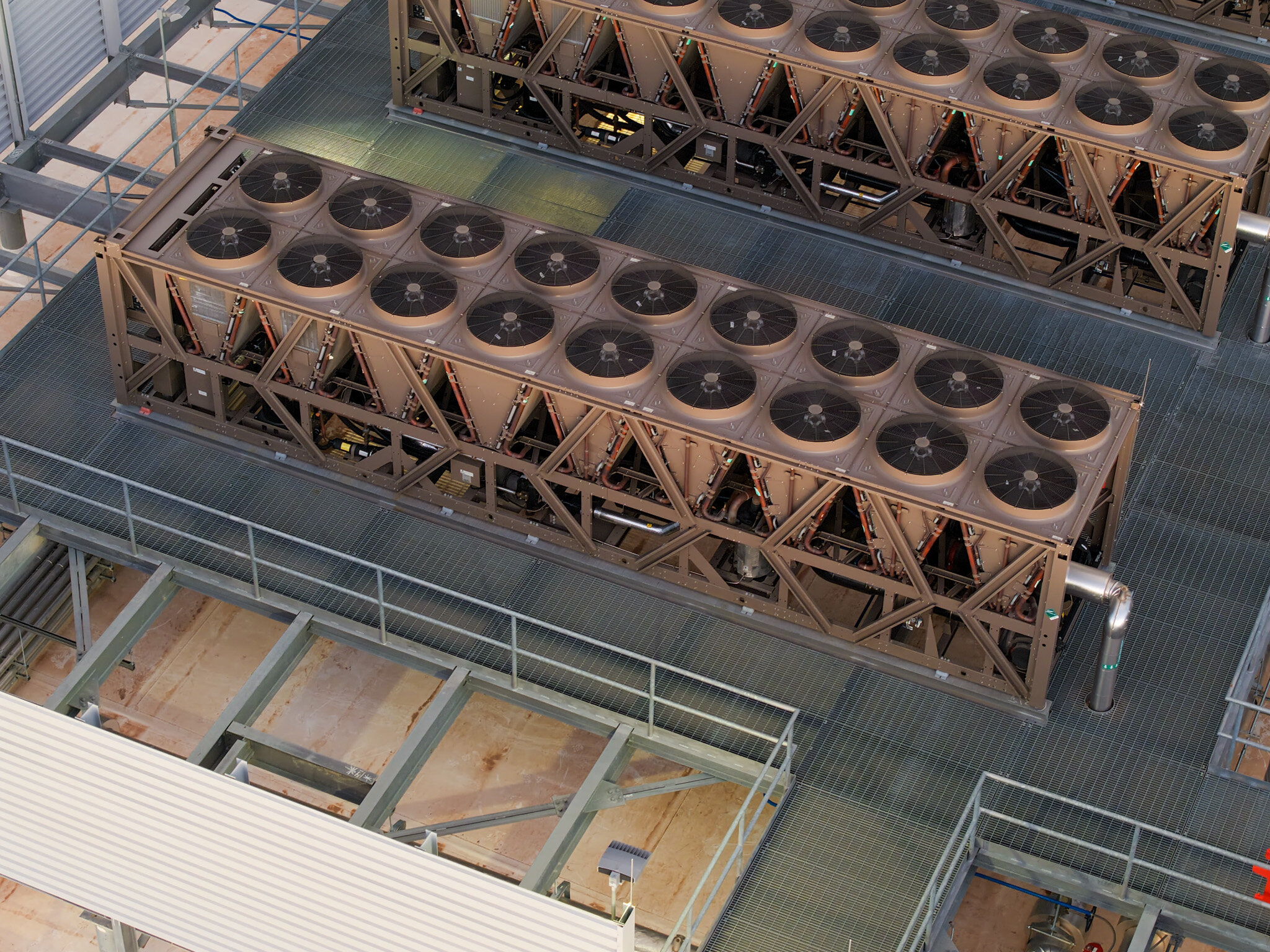
Waste heat from data centers can boost air temperatures in downwind neighborhoods by as much as 4 degrees Fahrenheit, researchers at Arizona State University report in a new study conducted in the Phoenix metro area, the hottest in the U.S.
The issue with space-based data centres is dissipating that heat, though. The ISS radiators can dissipate less than 100kW and they are the largest in space today, IIRC. Current land-based data centres already generate 100s of MW of heat. US Datacentres alone already consume multiple TWh of electricity/year.
I’m all for space-based data centres. But I don’t believe anyone who says they’re coming soon. One small space data centre would be 10 ISSs—the largest space architecture project to date.
I think what people who are pooh-poohing on space data centres are concerned about isn’t the literal heat issue, but that it serves the same purpose as the “Hyperloop”: not a real practicality, but serves to focus lawmakers attention in a direction that ignores a practical issue (with Hyperloop it was away from California HSR, which now has its own problems, but at least it was feasible)


The issue with space-based data centres is dissipating that heat, though. The ISS radiators can dissipate less than 100kW and they are the largest in space today, IIRC. Current land-based data centres already generate 100s of MW of heat. US Datacentres alone already consume multiple TWh of electricity/year.
I’m all for space-based data centres. But I don’t believe anyone who says they’re coming soon. One small space data centre would be 10 ISSs—the largest space architecture project to date.
I think what people who are pooh-poohing on space data centres are concerned about isn’t the literal heat issue, but that it serves the same purpose as the “Hyperloop”: not a real practicality, but serves to focus lawmakers attention in a direction that ignores a practical issue (with Hyperloop it was away from California HSR, which now has its own problems, but at least it was feasible)
Over and over the “it can’t be cooled” refrain. The math and engineering says otherwise. Here’s a video by Scott Manley that walks you through the calculations. It’s quite straightforward, this is not an obstacle.