If it’s being powered by wind, it’s not adding additional energy to the environment, at all. It all comes down to conservation of energy, and no chemical changes are occurring.
Electrical energy is being generated by harvesting kinetic energy in the wind, that’s essentially just moving energy, converting it from one form to another. Energy can be swapped and converted around, but in the end, it almost always ends up turning into heat or light.
That wind, one way or another was going to convert its energy into heat. Most often it does that by convection, causing water vapor in the air to change state, after condensing, the now warmer water release its heat into the ocean when it falls as rain.
Turning a wind turbine to generate electricity, to run computers, is a much more elaborate route to take, but the result is the same. The wind is moving slower, a lower energy state, but the ocean is warmer, a higher energy state. It all evens out.
Edit: I just realized, that sometimes that kinetic energy from wind contributes to storms and sometimes those storms generate lightning, and while most of the energy from lightning does turn into heat, some of that energy generates light, and some of that light shoots out into space (actually escaping the earth). So probably, higher wind speeds do result in cooling the earth a very little bit (but it’s likely negligible)
Well part of the wind also comes from the solar activity warming parts of the earth up and thus changing the pressures around so it’s not an entirely closed system
That’s true, but I still don’t think we can raise ocean temperatures through direct cooling and renewable sources the way that the greenhouse effect can. Water can absorb a lot of heat energy without changing temperature, and that is why regions close to oceans have a more temperate climate.
While I don’t have enough knowledge in this field to be making any definitive statements, my logic is as follows:
outside of nuclear fission/fusion reactions, heat energy on the earth’s surface comes from either the sun or molten rock in the core
that energy is responsible for everything that happens on earth, including wind energy
So we would need to get energy from off planet, use nuclear fission/fusion, or cover enough of the land area in wind and solar farms in order to redirect the sun’s energy over to the oceans.
I think the bigger concern, when it comes to heating the ocean, is that manufacturing, construction, and transport related to the data centers still releases a lot of greenhouse gases. Those gases trap the sun’s energy within our atmosphere and that WILL heat up the earth. Way more than direct cooling using ocean water.
I’m a scuba diver and you can definitely harm regions of ocean with water pumps. It’s already happening in place where nuclear is being cooled. It’s already happening in ship yards.
It’s hard to speculate how it would happen at scale though because ocean science is real fucking hard and each location is vastly different. In populated places the damage would be very noticeable if not eventually catastrophic as ocean issues compound real fast as the ecosystem is much more fluid.
That being said I imagine there would be ways to deploy this safely (ocean is big, lots of boring dead space) but I dont have trust in us to find this way.
If every data centre was passively cooled in the ocean it wouldn’t change temps by even 0.01 degrees. The Sun blasts an entire half of the planet with an absurd amount of energy every day. Energy, which technically originated from the sun, is just converted and being utilized to do work.
Not the same thing. The sun doesn’t concentrate the power in already hifhly populated gulfs and bays where these would be. We’re not building something in the middle of Atlantic Ocean.
There are a number of 6-8GWe nuclear plants that dump 15+GW into the nearby sea (or in the case of Bruce, Lake Huron). I don’t see it being much of an issue. Better than virtually any other cooling option.
The issues are maintenance, energy source, and equipment supply.
Good point, although on the local scale you mention, wildlife could still be impacted. Hopefully, the overall impact on the ecosystem will be monitored and studied before expanding these data centers more broadly.
1 gigawatt is 10^9 J/s (so around 130 billion years to reach the above.) For a terawatt that’s 130 million years. For a petawatt 130,000 years. For an exawatt about 130 years…
Note: the sun bathes Earth with around 170,000 TW (0.17 exawatts) of energy. That’s about 700-800 years if you could make the oceans sink all that sun energy. Again, this isn’t the total output of the Sun but just what impacts Earth directly.
That’s a good point. Maybe not cool, but it would warm the water less.
(I’m guessing solar cells reflect less energy back into space than water, since they’re specifically designed not to.)
I don’t know how to objectively figure this out, but solar panels only convert energy from radiation down to far infrared of 1100nm. Water can absorb longer wavelengths, but solar output has less and less energy output at these wavelengths. However, the mystery is whether or not the panels themselves absorb or reflect such far infrared energy. I’m torn between “it might be the same” and “I’m wrong”


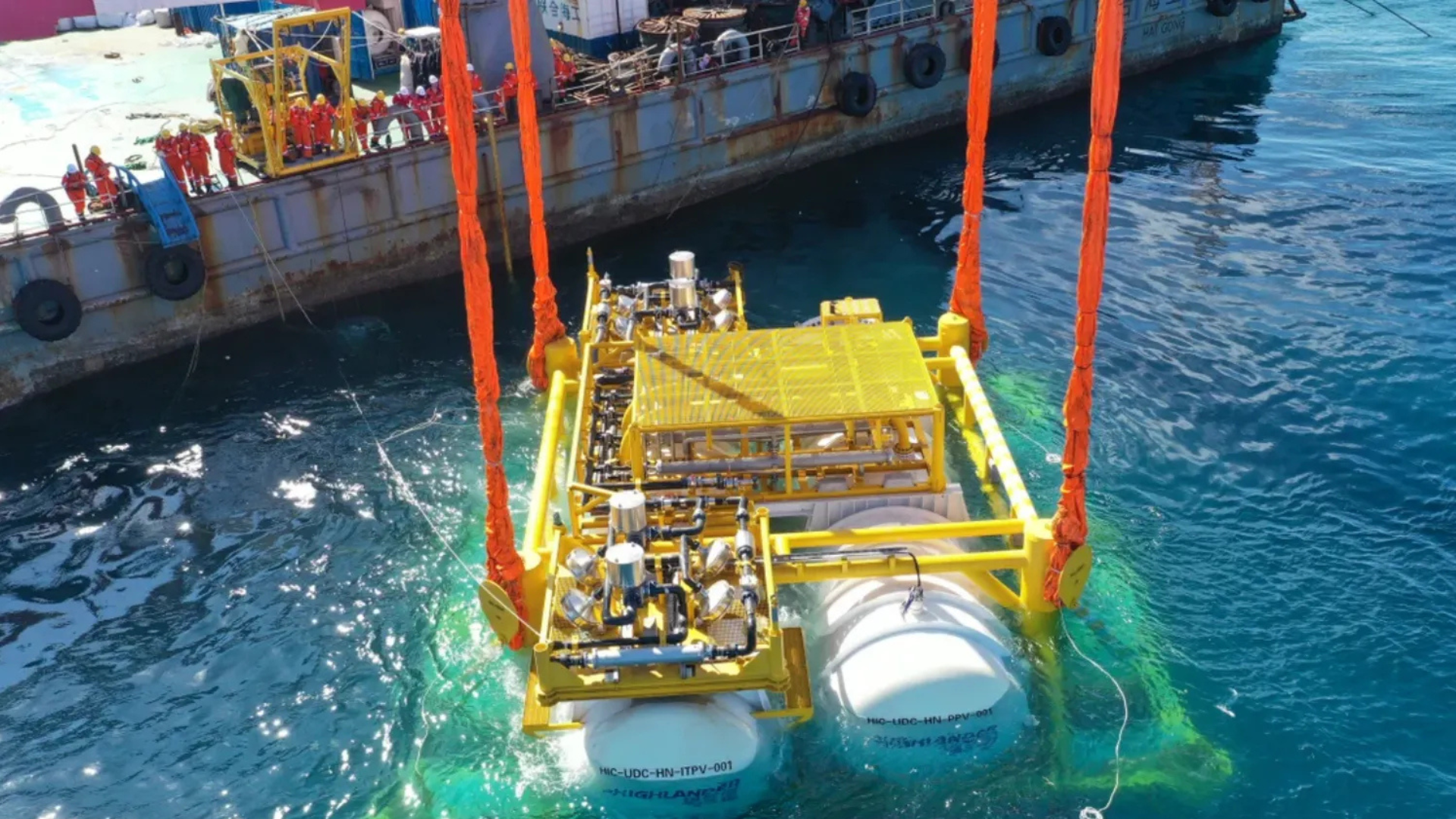
How many AI datacenters will it take to boil the ocean?
If it’s being powered by wind, it’s not adding additional energy to the environment, at all. It all comes down to conservation of energy, and no chemical changes are occurring.
Electrical energy is being generated by harvesting kinetic energy in the wind, that’s essentially just moving energy, converting it from one form to another. Energy can be swapped and converted around, but in the end, it almost always ends up turning into heat or light.
That wind, one way or another was going to convert its energy into heat. Most often it does that by convection, causing water vapor in the air to change state, after condensing, the now warmer water release its heat into the ocean when it falls as rain.
Turning a wind turbine to generate electricity, to run computers, is a much more elaborate route to take, but the result is the same. The wind is moving slower, a lower energy state, but the ocean is warmer, a higher energy state. It all evens out.
Edit: I just realized, that sometimes that kinetic energy from wind contributes to storms and sometimes those storms generate lightning, and while most of the energy from lightning does turn into heat, some of that energy generates light, and some of that light shoots out into space (actually escaping the earth). So probably, higher wind speeds do result in cooling the earth a very little bit (but it’s likely negligible)
Well part of the wind also comes from the solar activity warming parts of the earth up and thus changing the pressures around so it’s not an entirely closed system
It would probably take more energy than we can harvest on earth, considering the sunlight and geothermal energy doesn’t boil it currently.
I could see it affecting the temperature on local scales, such as the area immediately around the data center.
I don’t think people mean literally boil the ocean. Just increasing it by few Celsius degrees can be world ending.
The specific heat capacity of water is 4200J/kg. Raising the temperature of ocean water by quite a few degrees is also very improbable.
That’s true, but I still don’t think we can raise ocean temperatures through direct cooling and renewable sources the way that the greenhouse effect can. Water can absorb a lot of heat energy without changing temperature, and that is why regions close to oceans have a more temperate climate.
While I don’t have enough knowledge in this field to be making any definitive statements, my logic is as follows:
So we would need to get energy from off planet, use nuclear fission/fusion, or cover enough of the land area in wind and solar farms in order to redirect the sun’s energy over to the oceans.
I think the bigger concern, when it comes to heating the ocean, is that manufacturing, construction, and transport related to the data centers still releases a lot of greenhouse gases. Those gases trap the sun’s energy within our atmosphere and that WILL heat up the earth. Way more than direct cooling using ocean water.
I’m a scuba diver and you can definitely harm regions of ocean with water pumps. It’s already happening in place where nuclear is being cooled. It’s already happening in ship yards.
It’s hard to speculate how it would happen at scale though because ocean science is real fucking hard and each location is vastly different. In populated places the damage would be very noticeable if not eventually catastrophic as ocean issues compound real fast as the ecosystem is much more fluid.
That being said I imagine there would be ways to deploy this safely (ocean is big, lots of boring dead space) but I dont have trust in us to find this way.
If every data centre was passively cooled in the ocean it wouldn’t change temps by even 0.01 degrees. The Sun blasts an entire half of the planet with an absurd amount of energy every day. Energy, which technically originated from the sun, is just converted and being utilized to do work.
Not the same thing. The sun doesn’t concentrate the power in already hifhly populated gulfs and bays where these would be. We’re not building something in the middle of Atlantic Ocean.
There are a number of 6-8GWe nuclear plants that dump 15+GW into the nearby sea (or in the case of Bruce, Lake Huron). I don’t see it being much of an issue. Better than virtually any other cooling option.
The issues are maintenance, energy source, and equipment supply.
The plants on the lakes so monitor the water temp so they don’t affect the ecosystem during the warmer seasons still.
But I doubt the one in NB had to worry about that when more water flows by it than all the rivers in the world combined.
But yes, much better source of cooling at the cost of maintenance and equipment. Just like tidal power but with fewer moving parts.
Good point, although on the local scale you mention, wildlife could still be impacted. Hopefully, the overall impact on the ecosystem will be monitored and studied before expanding these data centers more broadly.
Around (4 to 6) * 10^(26 to 27) J total
1 gigawatt is 10^9 J/s (so around 130 billion years to reach the above.) For a terawatt that’s 130 million years. For a petawatt 130,000 years. For an exawatt about 130 years…
Note: the sun bathes Earth with around 170,000 TW (0.17 exawatts) of energy. That’s about 700-800 years if you could make the oceans sink all that sun energy. Again, this isn’t the total output of the Sun but just what impacts Earth directly.
Well, if the energy comes from solar on the thingy, then it’s probably going to cool the ocean, could be similar with wind.
That’s a good point. Maybe not cool, but it would warm the water less.
(I’m guessing solar cells reflect less energy back into space than water, since they’re specifically designed not to.)
I don’t know how to objectively figure this out, but solar panels only convert energy from radiation down to far infrared of 1100nm. Water can absorb longer wavelengths, but solar output has less and less energy output at these wavelengths. However, the mystery is whether or not the panels themselves absorb or reflect such far infrared energy. I’m torn between “it might be the same” and “I’m wrong”
40…2…ob…viously…