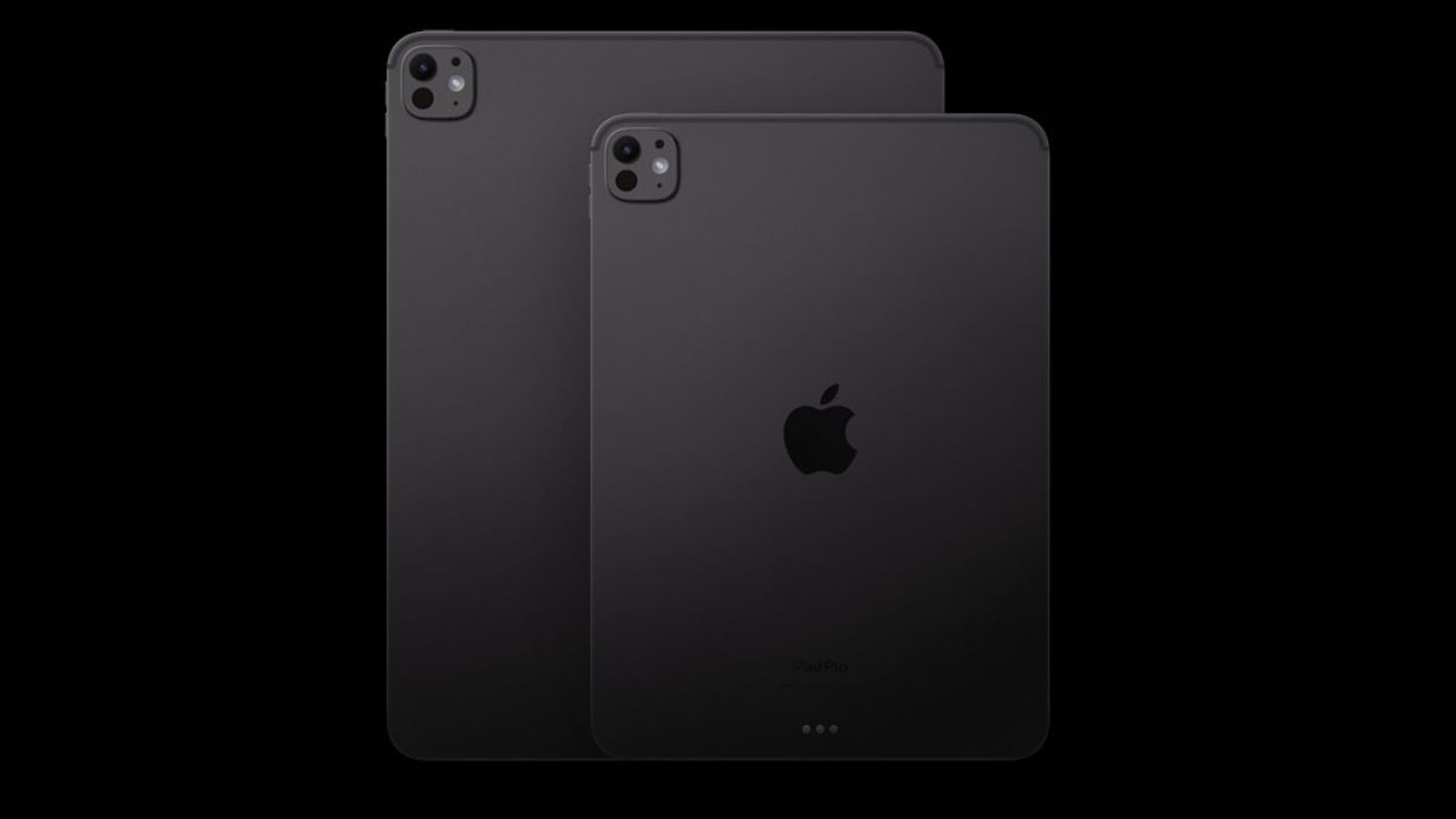
Apple has reportedly abandoned plans for a foldable "iPad Ultra" following years of disappointing sales performance for the iPad Pro. The claim predominantly comes from the Weibo leaker known as "Instant Digital," who posted the remark in response to a question about whether the iPad would join a rumored "Ultra" series of Apple devices.


If I had to guess, it’s that the only benefit would be portability. Since the normal fold design (screens fold in to face each other) means the device isn’t usable when folded, the only thing you gain from a foldable tablet is smaller package. So you’re increasing the cost and decreasing the durability for little gain.
I did find this ridiculous concept from Matebook that is a “foldable laptop” and if you want any of it you’ll quickly see, they don’t even know what they’re doing with it. Not to mention it costs $3,000+.
https://m.youtube.com/watch?v=NKY9L0mjW7Y
I reckon that tracks. I feel like it would be a good way to protect the screen since tablets are more unwieldy (to me at least) meaning they are more likely to be dropped when being moved around but it loses that advantage by having more moving parts and also a soft plastic screen.
Id kinda like a tablet where I operate sorta like a book though as in its common operating position is not fully flat. Can hold it like you would hold a book where its at an angle and you sorta hold it by the spine. The two “pages” would act more like independent screens most of the time.
I just realized I actually have yet to interact with any modern foldable device.
I think as foldable and/or flexible screens progress there is some opportunity for more interesting designs.
Honestly, anything to mix things up again in the laptop/phone/tablet space. Devices have gotten boring.