Either I’m misunderstanding you, or you’re misunderstanding the situation. They are not pulling heat from the ocean, they are adding to it. And unfortunately that heat is doing a bad job of raidiating into space.
In thermodynamics, this is the heat goes in, heat goes out. Also temperature higher, more heat goes out.
And CovfefeKills is right. Heat from the sun is orders of magnitude higher than a little bitty data centre. And that heat gets re-radiated to space. It’s all balanced. Except for when you put more heat absorbing gases into the atmosphere which include increasing levels of evaporating water. All to power and cool current data centres.
The Earth is constantly bombarded by the sun, why doesn’t the Earth just continuously heat up? Because it radiates heat away into space. So heat itself isn’t the problem okay It just goes off into space. The problems come from the balance of absorded energy vs. radiated energy which is why oil is such a bad thing at such a large scale, it’s ancient sun energy that can’t be radiated fast enough. And fucking with our enviroment and atmosphere which has degraded the ability to radiate energy.
Taking daily solar wind energy and converting it into heat energy in the ocean itself is no problem, the problem is if the ocean cannot radiate away that heat due to fucking with the atmosphere. And by taking more solar energy and converting it to useful energy we reduce the amount of fucking with the atmosphere. It’s a good thing.
The wind energy used would eventually dissipate into heat anyway, this just puts AI in the middle.
In general: all computers turn electricity into heat. After that you get to deal with the heat, which will ironically generate even more heat (fans, pumps, etc.). This is Power Usage Effectiveness (PUE). A shitty datacenter might spend over 30% of the energy on cooling. Of course, any compute will end up heating up things, so moving the heat away efficiently is a huge deal.
I think dunkin a datacenter in water and powering it with wind is probably about as energy efficient as you can possibly get without moving into heat reuse (which we should):
Sea water is cold, so the temperature differential is large. This means efficient and cheap heat transfer.
Sea water moves, so you don’t need to actively pump it away or rely on convection to move the heat away.
Now, the more efficient way to deal with this is that modern liquid cooled hardware can go rather hot. Hot enough to do something with the waste heat. We can heat a campus, contribute to district cooling, etc. This is of course mostly relevant in cold climates, and often only during winter.
This design is probably a reasonably good idea from an energy efficiency standpoint. From an ecological standpoint, probably not, but I’m not qualified to answer that question.
We should do something better with our limited resources than generating AI-slop, but there are plenty of other more legitimate compute uses (like climate research) that could benefit from similar setups.


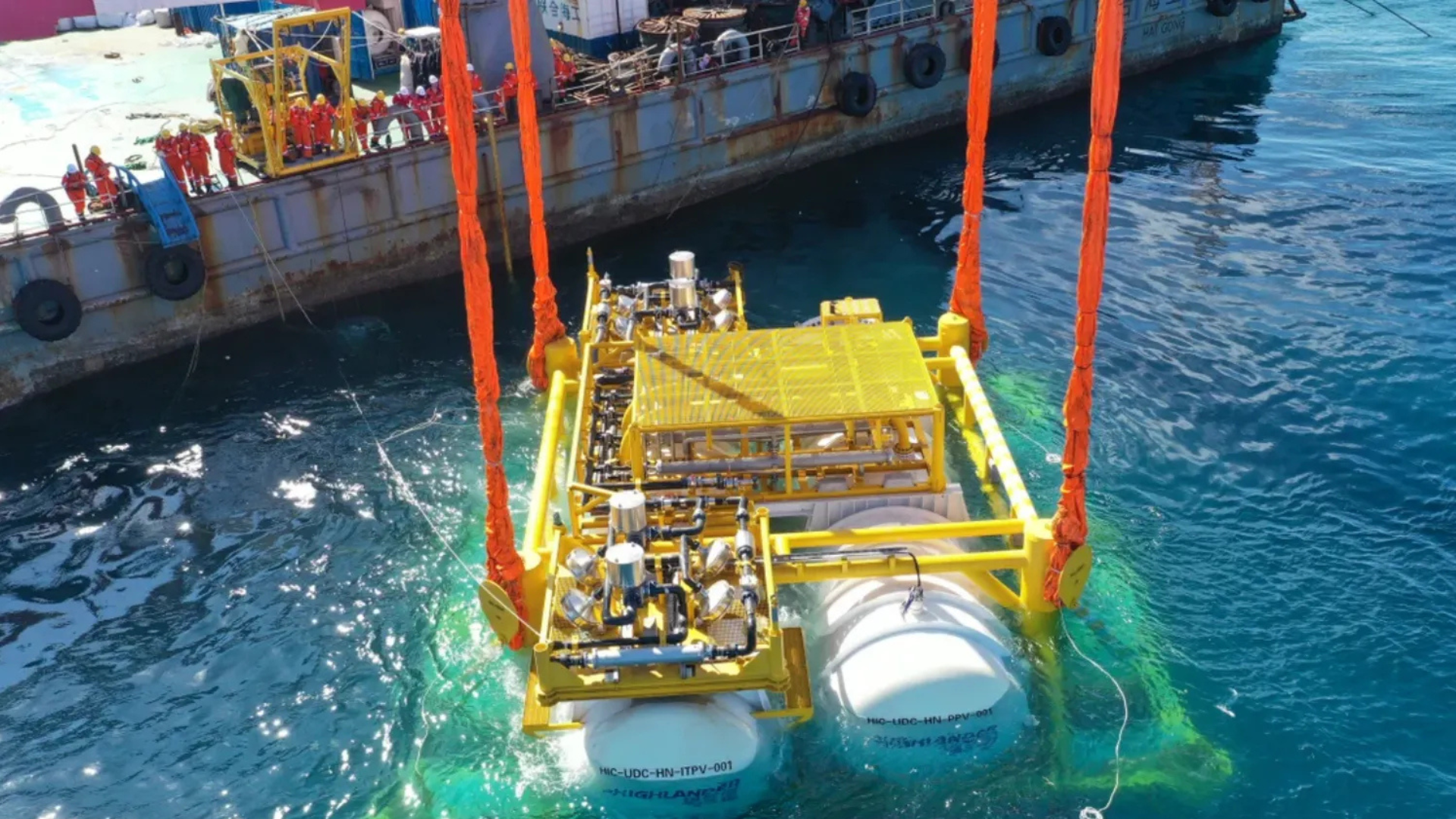
Either I’m misunderstanding you, or you’re misunderstanding the situation. They are not pulling heat from the ocean, they are adding to it. And unfortunately that heat is doing a bad job of raidiating into space.
In thermodynamics, this is the heat goes in, heat goes out. Also temperature higher, more heat goes out.
And CovfefeKills is right. Heat from the sun is orders of magnitude higher than a little bitty data centre. And that heat gets re-radiated to space. It’s all balanced. Except for when you put more heat absorbing gases into the atmosphere which include increasing levels of evaporating water. All to power and cool current data centres.
The Earth is constantly bombarded by the sun, why doesn’t the Earth just continuously heat up? Because it radiates heat away into space. So heat itself isn’t the problem okay It just goes off into space. The problems come from the balance of absorded energy vs. radiated energy which is why oil is such a bad thing at such a large scale, it’s ancient sun energy that can’t be radiated fast enough. And fucking with our enviroment and atmosphere which has degraded the ability to radiate energy.
Taking daily solar wind energy and converting it into heat energy in the ocean itself is no problem, the problem is if the ocean cannot radiate away that heat due to fucking with the atmosphere. And by taking more solar energy and converting it to useful energy we reduce the amount of fucking with the atmosphere. It’s a good thing.
They’re using the ocean to cool the computers. This heats the water.
The wind energy used would eventually dissipate into heat anyway, this just puts AI in the middle.
In general: all computers turn electricity into heat. After that you get to deal with the heat, which will ironically generate even more heat (fans, pumps, etc.). This is Power Usage Effectiveness (PUE). A shitty datacenter might spend over 30% of the energy on cooling. Of course, any compute will end up heating up things, so moving the heat away efficiently is a huge deal.
I think dunkin a datacenter in water and powering it with wind is probably about as energy efficient as you can possibly get without moving into heat reuse (which we should):
Now, the more efficient way to deal with this is that modern liquid cooled hardware can go rather hot. Hot enough to do something with the waste heat. We can heat a campus, contribute to district cooling, etc. This is of course mostly relevant in cold climates, and often only during winter.
This design is probably a reasonably good idea from an energy efficiency standpoint. From an ecological standpoint, probably not, but I’m not qualified to answer that question.
We should do something better with our limited resources than generating AI-slop, but there are plenty of other more legitimate compute uses (like climate research) that could benefit from similar setups.
Okay Patrick