
…
- 20 Posts
- 335 Comments

 84·14 days ago
The fact that you’re getting so many replies about other characters should be a sign the premise of the question is faulty. You’re asking people to stop giving you examples that contradict your confirmation bias.
The intelligence to curate universes to ensure you’re the smartest person in them is like some sort of self sustaining Gary Stu feedback loop.
Yes, but my point is that his hyper-intelligence is to a point something we just have to believe in since he is being written by people who aren’t hyper-intelligent themselves.
Rick Sanchez.
He’s supposed to be the smartest person in the universe. The rub is that the writers aren’t as smart as they want him to be, so that leads to them writing his enemies to be dumber than how smart they can write him, to preserve his in-universe superior intelligence.
He can make anything out of anything. He has cybernetic implants that can do anything the plot needs.
I actually like the show (a social crime in 2026) but being an overpowered, plot armored, walking deus ex machina is his gimmick.
OP really emphasized the full auto aspect of M16s, so in this case I think differentiating them from semi-auto AR-15 models is relevant when giving an answer.
Yeah I’ve heard (no confirmation- so take this as pure gossip) that somebody was starting to kick the ATF in the butt a bit for intentionally slow walking reviews, which could have potentially led to litigation they didn’t want.
Uh huh. So he bought his M16 from the Army? May we see it?
An ar15 would be a bit too large and unwieldy for home protection so I’d have suggested something simple, low recoil, easy to wield
A pump action shotgun is often going to be longer and more unwieldy than an AR-15 with a collapsing stock and 16 inch barrel (the most common by far layout in U.S.). A Mossberg 500 is 3 inches longer than an AR-15 with a 16 inch barrel, as an example.
A shotgun has the opposite of low recoil. It is high recoil.
AR-15s are specifically designed to minimize recoil; they have very little. For follow-up shots with an AR-15 you simply need to pull the trigger again, for a pump action, you need to pump and if you’re stressed and not super familiar it might take a second or two to register that you need to do that.
AR-15s are also more “pointable” than shotguns, given that AR-15s have almost none of their weight up front whereas pump shotguns have a tube and all the ammo under the barrel.
In the US, you can go even shorter with an AR-15 pistol with no additional legal hurdles, which makes it even more compact and handy. You only lose out on velocity, which only matters at longer range.

While you can add optics and lights to shotguns, it is normally easier to do so with modern off-the-shelf ARs. A flashlight is (I suppose obviously) important to illuminate what’s in front of you to prevent shooting something or someone you don’t intend. Modern red dots commonly have shake awake functions, which means simply picking up the gun causes the red dot to turn on without you having to do anything.
Shotguns are not the cheat code to hitting targets as people think they are. I have seen people, under only the stress of a timer, miss steel plates with a shotgun.
A common, easy alternative to a 5.56mm is a 9mm carbine. This can be an AR rechambered for 9mm, or one of a variety of common 9mm carbines on the market. A lot of similar pros and cons to AR-15s.
In either 5.56mm or 9mm I’d recommend hollowpoints mainly to reduce over penetration of walls.
A silencer (and yes gun people- it is a silencer on your eform so I don’t want to hear whining about suppressors) only takes a little bit of paperwork in the U.S., and I’d recommend it. It protects hearing and reduces your own shock from muzzle blast, to help keep you from being distracted. It’s an extra but not a bad idea.
That sounds like a lot, but aside from the silencer it is all simple and cheap to put together in a single shopping trip.
A home defense gun that is short but can be steadied two-handed with a foregrip is better than a handgun mostly because of accuracy under stress, though handguns are common since those are actually able to be carried outside but that’s a whole other thing.
Glock 0.4
A what?
Yep I know about hogs (some other comment somewhere I mentioned them) and the biggest stopping of 5.56 for hunting is usually a legal ban on them rather than practical with the right ammo. Honestly might be for the best because otherwise some Bubba with non-hollowpoint ammo and a crooked scope would be out there maiming deer.
When did it happen? I well know it used to take months and months, but in the last year or so 10 day turn arounds are the average for a transfer.
I’d still consider the high cost a bigger hurdle for full auto than even a few month wait time. What the wait times used to really be killer were cheaper items like SBRs.
I completely spaced on the use against coyotes. AR-15s seem about ideal for that.
The eform system is really streamlined these days. Cost is the way bigger hurdle now.
The AR-15 derivated guns in 5.56mm tend to be decently mechanically accurate (depending on the exactly setup and blahblahblah) and have a flat trajectory which makes them practically accurate.
The ability of 5.56mm to wound is velocity dependent. Within the range where the velocity is high enough (600 to 800 meters, again depending on specifics) they are quite damaging, at least to humans. 5.56mm was designed specifically with humans as targets in mind, and designed to kill with hit to the heart/lungs/head. It minimizes recoil to allow the maximum volume of aimed shots in the shortest time, to maximize the chance of hitting a vital.
For hunting something like deer, a lot of gun people have shown 5.56mm is capable of taking down a deer with a similar hit to the vitals, however many locations still regulate that 5.56mm is not legally allowed, so it’s sort of a moot point.
For home protection I would want a pump action 12 gauge.
Not my personal choice or recommendation, but I’ve had this conversation enough to know it is hard to change minds.
yes you can by those M16s in the US my brother got his for the marines.
He bought for the marines?
I don’t want to be too definitive, but I think you might be mistaken about what he bought.
Most people buying full auto M16s (assuming this is a U.S. centric question) are doing so because those are collectors items. They cost upwards of $20k (edit: just checked and the cheapest one I can find is $31k, yeesh) and appreciate in value.
People buying non-NFA semiauto ARs do so for a multitude of reasons. If someone says it is for defense, then while the chance of using it as such is slim, if it does happen it is a lot more practical than using a bow and arrow.
For hunting, there are a lot of variables. For the most part intermediate cartridges aren’t ideal for hunting, and in a lot of places they are banned for that purpose (at least for deer which are the most commonly hunted animal). You’d legally be required to use a full power cartridge much of the time. Bow and arrow hunting of deer is not something most people can pull off and it would lead to a lot more wounded deer running away.
I do think it’s fairly common to use intermediate rounds on wild hogs, but at that point it’s more about culling masses of them much of the time.
Yes, all women in The South share a linked hivemind. This is well known, but people do not discuss it and for your own safety you should not discuss it either. The Southern Femoid Hivemind can become enraged if their is too much open investigation about it. Please, let us talk of it no further.
 2·2 months ago
Polytopia is a pretty stripped down 4x game. Fun enough. Free too if you don’t want to buy add-on factions, and it doesn’t aggressively push you to buy which is nice.


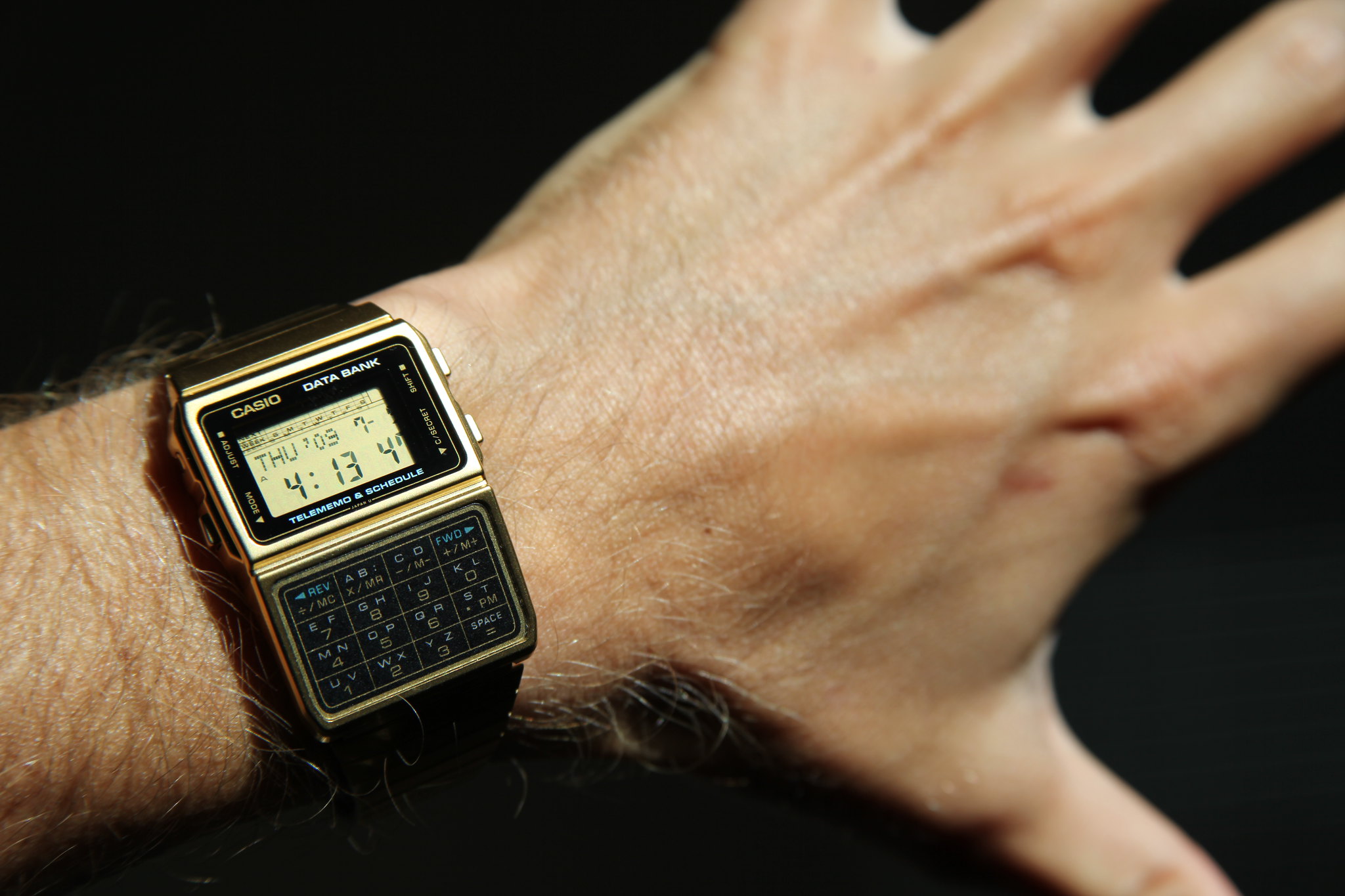









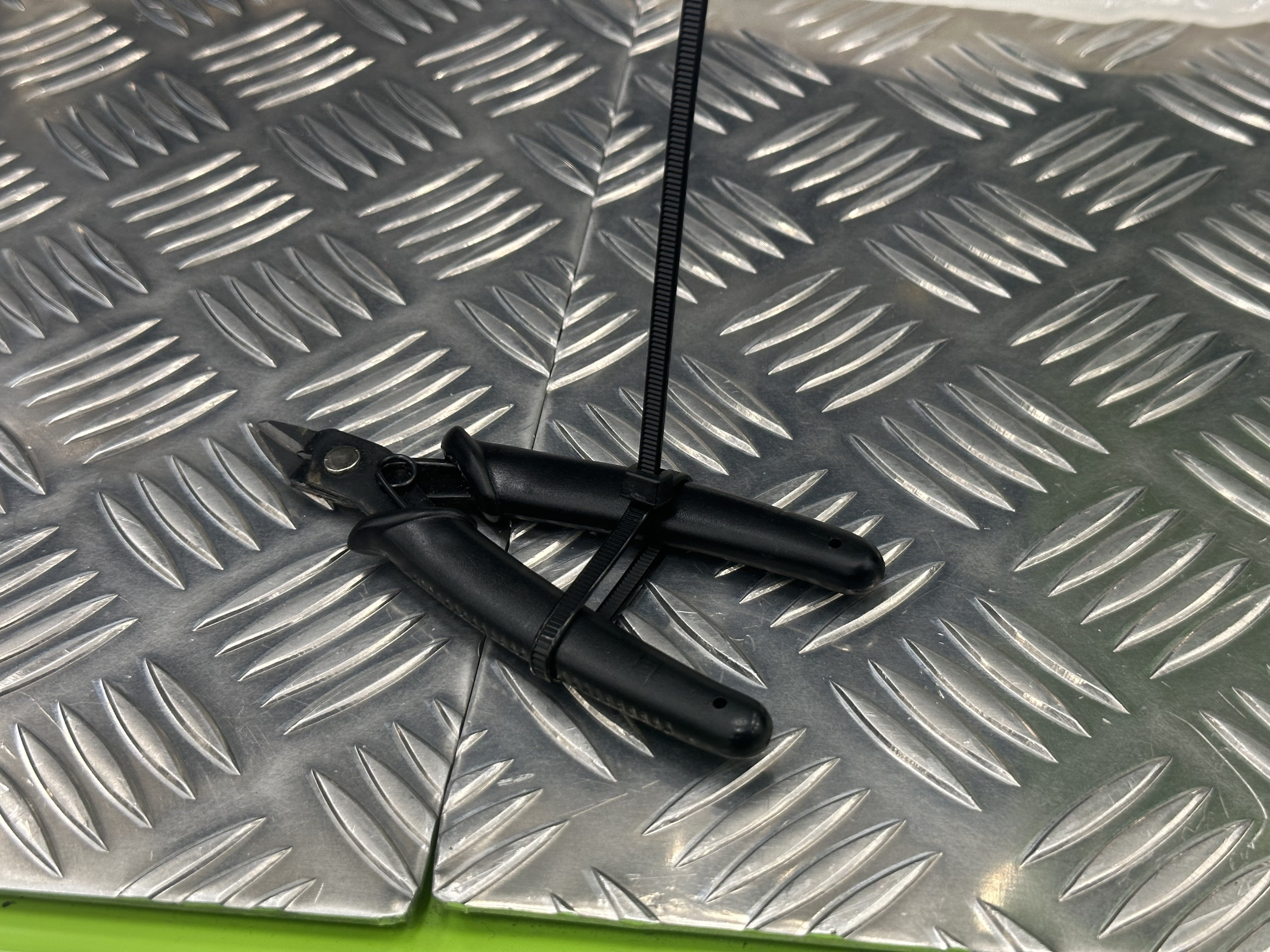

More like “Guess I’ll just print this file labeled ‘hyper realistic movie prop lazer blaster’.”