

65·
3 days agoI love Austria so much, been there a few times. This does not represent the folks I broke bread with over there.

I love Austria so much, been there a few times. This does not represent the folks I broke bread with over there.

Nice

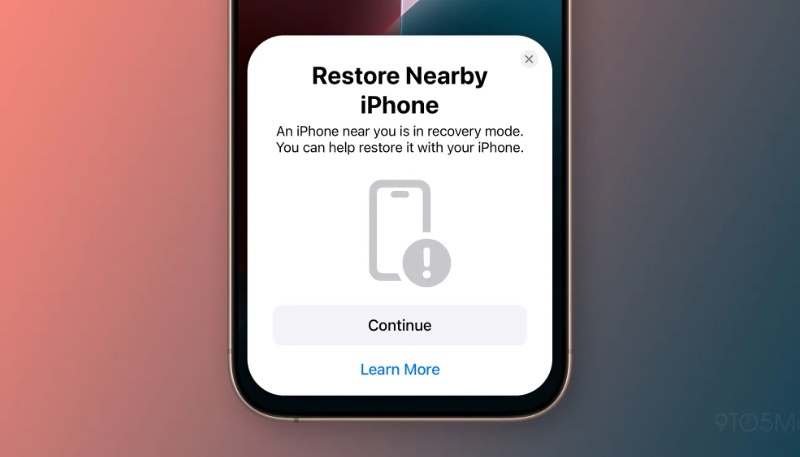
What if we just say I always forget the code and use the built-in too many tries wipes the data setting?
If you forgot the code can you offer to let them have it? Then you could wipe it remotely?
Trying to understand what would happen if you really forgot the passcode.
Yeah I do, that’s what I’m saying
Yeah, but are the artists getting paid?

This is expected for a stock like this. What we’ll now be able to see in the next few months is where the real valuation stands.
Yeah, so ridiculous.
Climate change makes it worse, but many countries have to deal with and manage seasonal forest fires including the USA.
Lol, what?

Oh man, Tiger Express. That was my goto…
No, it’s actually not because of the AI demand. AI is a demand metric but not enough to cause the hikes we’re seeing and (as the manufacturers want us to) even preparing for.
You may hate AI, but it’s not the reason we are seeing RAM costs skyrocket.
Looking at the manufacturing data and the historical strong-arm tactics used by Samsung, Micron, and SK hynix, who collectively control about 96% of the global DRAM market, AI just gives manufacturers the perfect public justification to stop chasing cheap bit growth, starve low-margin consumer channels (our RAM products), reprioritize wafers toward premium products (data center RAM), and force customers into multi-year contracts at shortage-era prices.
Sure it lets them make more money off us, but they really love locking in these rates with their data center-based customers.

Subsidies have always been about fostering new technologies and innovation.
The government absorbs early risk, funds infrastructure or basic research, creates a first market, and then private industry scales it into something ordinary people use every day.
I’m thinking this is really because you don’t like your job.
Does the constitution say that states must turn over absentee voter data in order to vote?
That’s awful
Damn shame
Why would anyone use WhatsApp when there’s Signal?
Cousin Nicky!
It still also sounds like it could be used as an adjective in the headline. But, yea, they’re sensationalizing things.







Take it from us, you guys do not want a two-party system. You better rein that shit in now.